Process Engineering for Battery & Energy Materials Manufacturing
Battery-grade materials require precise control of particle morphology, purity and structural consistency. PrakriyaX supports producers of cathode, anode and precursor materials in developing scalable, industrially robust processes.
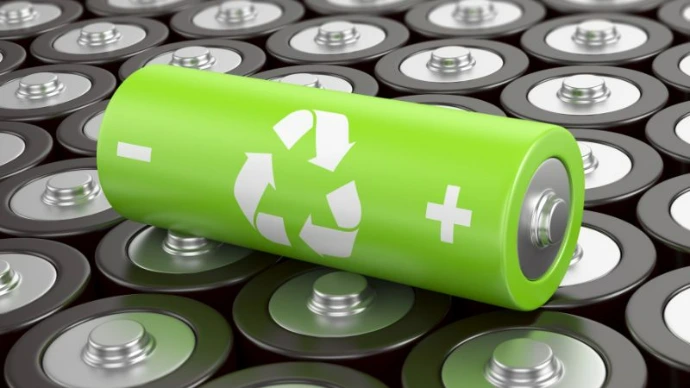
Battery & Energy Materials
Battery and energy materials include cathode active materials such as NMC and LFP, anode materials such as graphite and silicon-based composites, precursor metal salts, and electrolyte materials. These products must meet demanding specifications for particle size distribution, morphology, moisture content and impurity levels, since these characteristics directly affect battery performance and cycle life. Processing challenges centre on achieving consistent particle morphology through precipitation and calcination, controlling moisture and impurity levels throughout the process, and translating precursor chemistry into a repeatable industrial-scale operation. Process engineering plays a defining role in this industry because the electrochemical performance of the final material is inseparable from the precision of the process used to make it — co-precipitation conditions, calcination profile and particle engineering steps together determine the usable performance of the material.
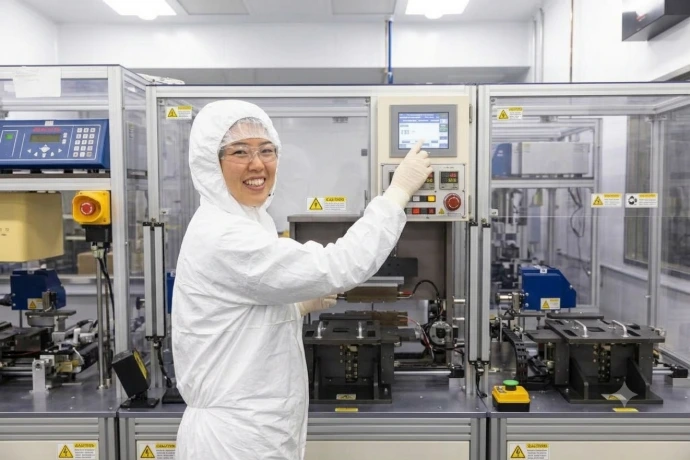
Materials & Products
Material / Product | Application | Typical Processing Requirement | Process Challenge |
|---|---|---|---|
Cathode active material precursors (metal sulfates) | NMC / LFP cathode manufacture | Controlled particle morphology and composition | Co-precipitation consistency |
Cathode active materials | Lithium-ion battery cells | Defined particle size and phase purity | Calcination uniformity |
Anode materials (graphite, silicon composites) | Lithium-ion battery cells | Controlled particle size and surface properties | Particle engineering and coating |
Electrolyte materials | Battery electrolyte formulation | High purity, low moisture | Moisture and impurity control |
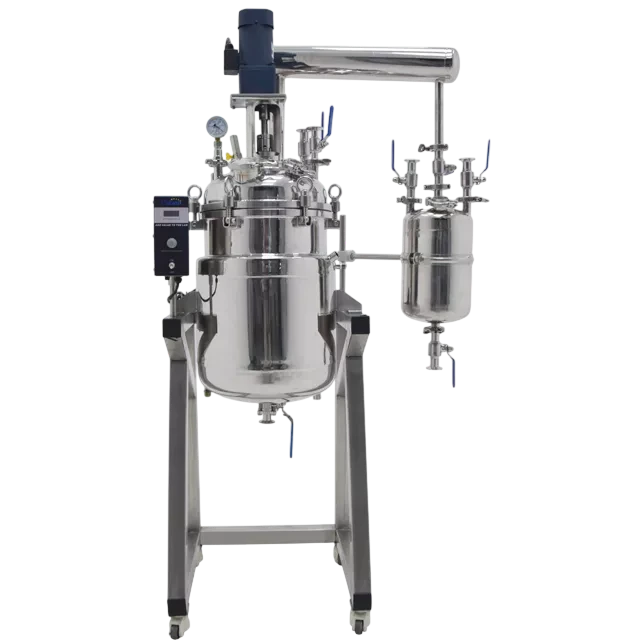
Co-Precipitation
Process Technologies
What it does?
Precipitates mixed-metal precursor particles with controlled composition and morphology.
Why it matters?
Precursor particle characteristics carry through to the final active material.
Where it is used?
Precursor synthesis stage.
Process outcome
Consistent precursor particle morphology.
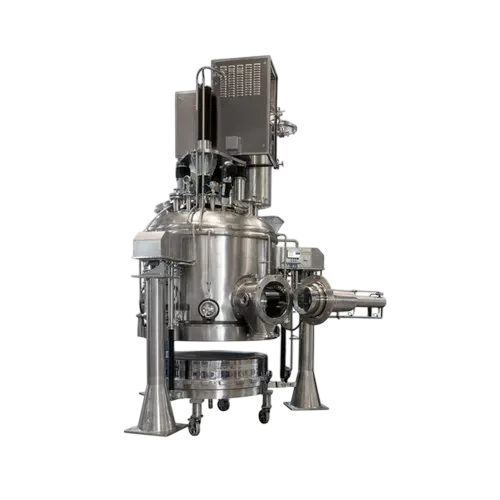
Solid-Liquid Separation & Washing
Process Technologies
What it does?
Separates and washes precipitated precursor from the mother liquor.
Why it matters?
Removes residual salts that would affect final material purity.
Where it is used?
Downstream of precipitation.
Process outcome
Clean precursor cake for drying..
Calcination
Process Technologies
What it does?
Converts precursor material into the final crystalline active material structure.
Why it matters?
Determines phase purity and electrochemical performance.
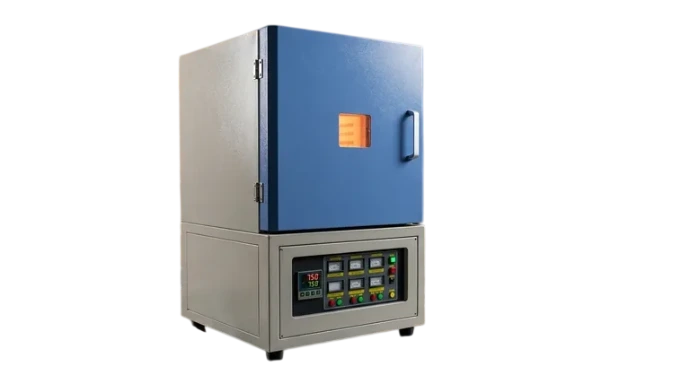
Where it is used?
Thermal processing stage.
Process outcome
Phase-pure active material.
Milling & Classification
Process Technologies
What it does?
Adjusts particle size distribution to the target specification
Why it matters?
Particle size affects electrode processing and battery performance.
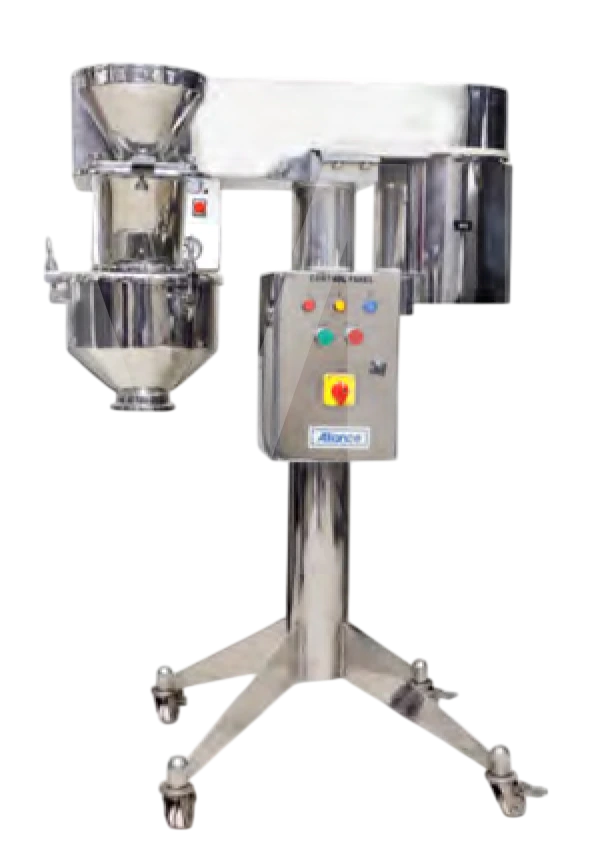
Where it is used?
Post-calcination particle engineering.
Process outcome
Target particle size distribution.
Surface Coating / Particle Engineering
Process Technologies
What it does?
Applies surface treatments to improve stability and cycling performance.
Why it matters?
Surface characteristics affect long-term battery performance.
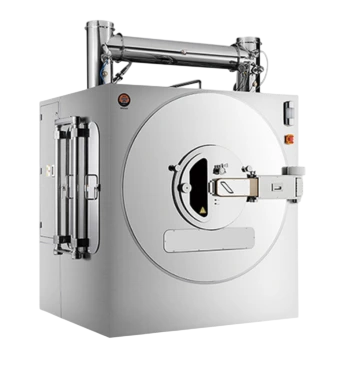
Where it is used?
Final particle engineering stage.
Process outcome
Improved material stability and performance.
PrakriyaX Capabilities
Applied to battery & energy materials, PrakriyaX capability spans the full value chain from early process concept through to plant implementation:
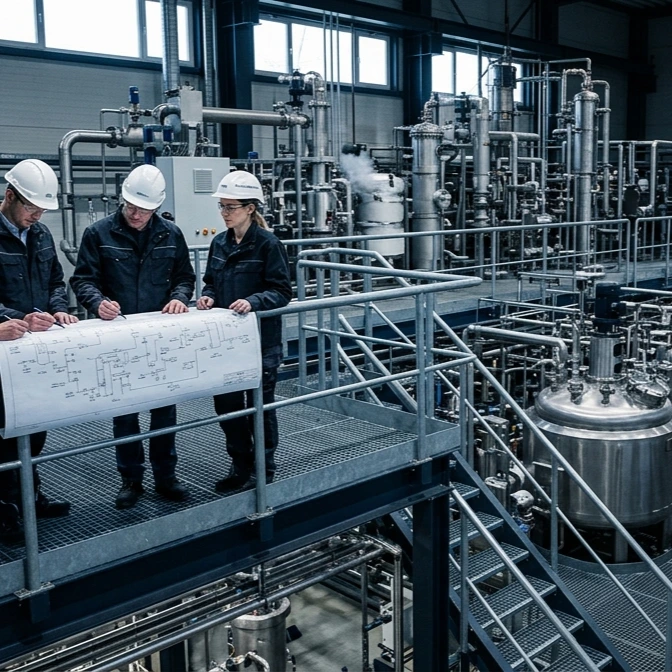
Process Development
- Evaluate routes against feedstock, product specifications and cost targets; develop concepts from bench data and literature.
- Plan and interpret lab/pilot trials and optimize yield, purity, consistency and cycle time.
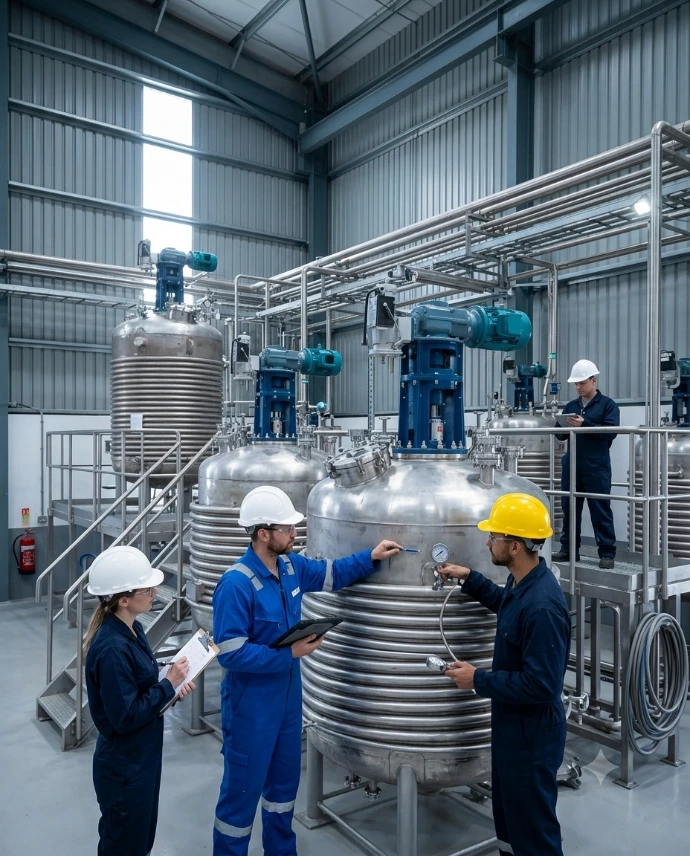
Process Engineering
Process Design — Develop mass & heat balances, equipment sizing, PFDs and key process parameters.
Estimate utility consumption and overall process requirements.
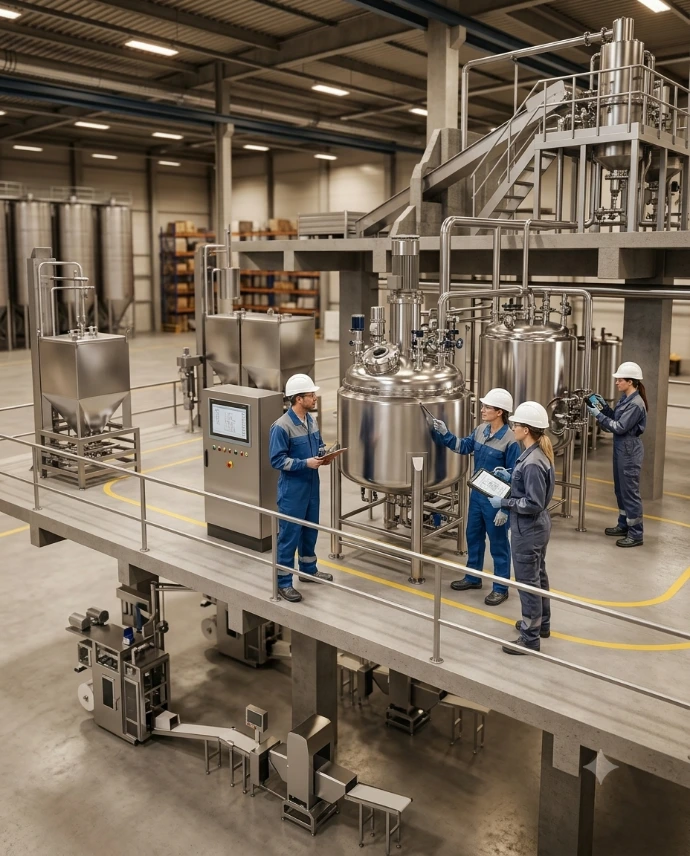
Scale-Up
Laboratory to pilot scale-up planning
Pilot to demonstration scale translation
Demonstration to industrial scale readiness review
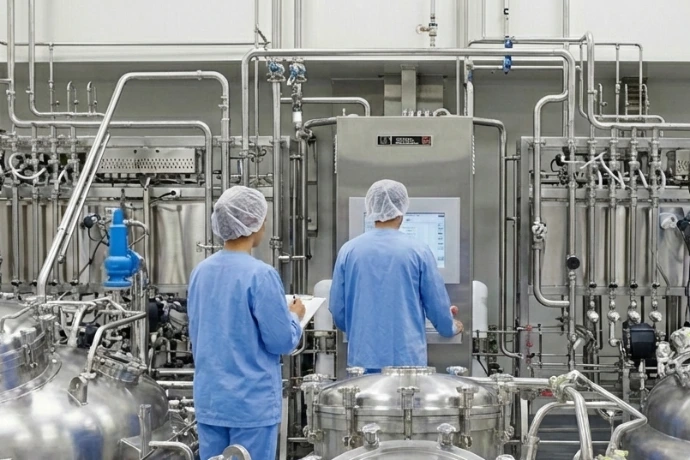
Technology Integration
Process technology selection and comparison
Equipment and unit operation integration
Process intensification opportunities
Automation and control considerations
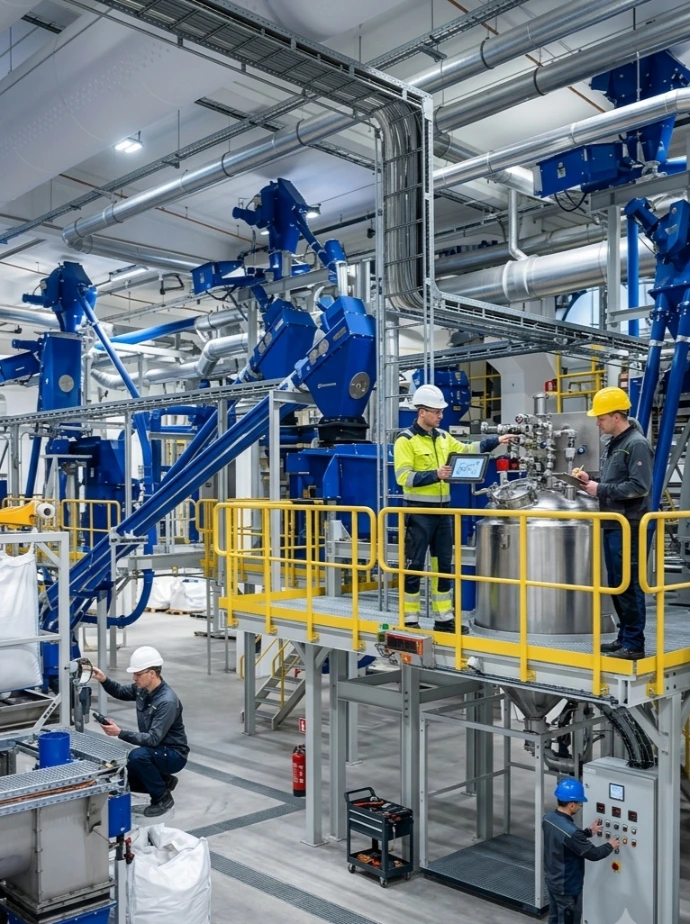
Project Support
Concept engineering and technology basis definition
Basic engineering package development
Detailed engineering coordination
Equipment specification development
Vendor and technology-provider coordination
Plant implementation and commissioning support
Process Technology Matrix
Process Requirement | Relevant Technology | Process Objective | Typical Outcome |
|---|---|---|---|
Controlled precursor morphology | Co-precipitation | Uniform particle composition and shape | Consistent precursor quality |
Impurity removal | Filtration and washing | Remove residual salts | High-purity precursor cake |
Phase-pure active material | Calcination | Uniform thermal conversion | Consistent electrochemical performance |
Target particle size | Milling and classification | Defined particle size distribution | Improved electrode processability |
Surface stability | Coating / particle engineering | Improved interface stability | Better cycling performance |
Key Process Parameters
Parameter | Why It Matters |
|---|---|
Particle size | Directly affects electrode coating, packing density and battery performance. |
Moisture | Residual moisture affects electrochemical stability and safety. |
Purity | Trace impurities can significantly impact battery performance and lifetime. |
Temperature | Calcination temperature determines crystal phase and structure. |
Residence time | Affects degree of conversion during calcination. |
Solids loading | Affects precipitation efficiency and downstream handling. |
New Application Areas — Where These Processes Create Value
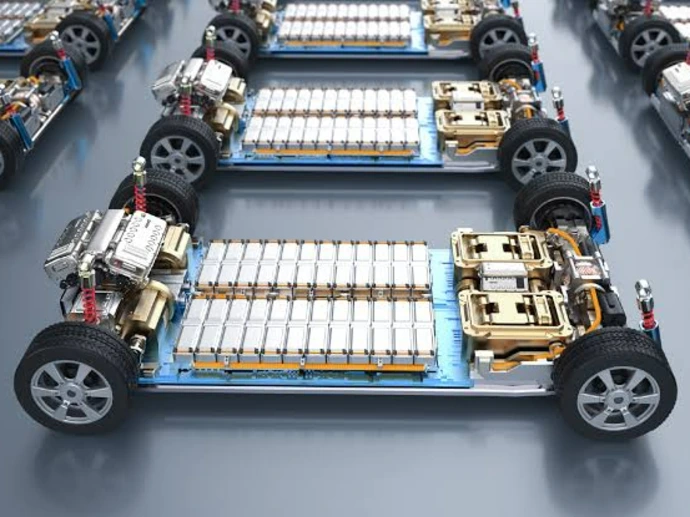
Electric vehicle batteries
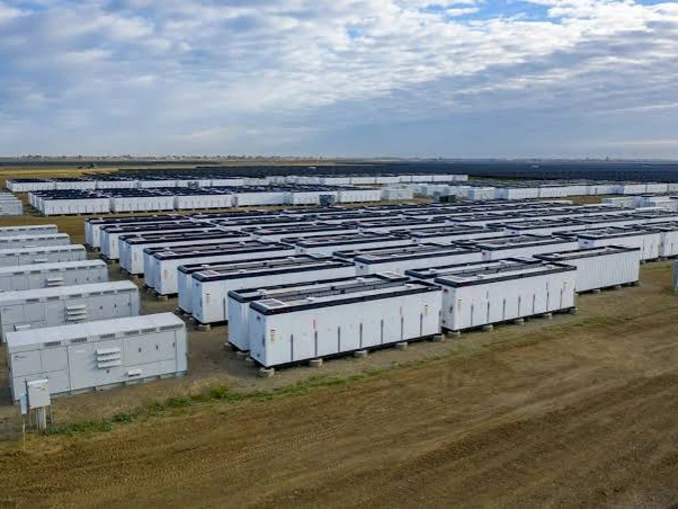
Grid-scale energy storage
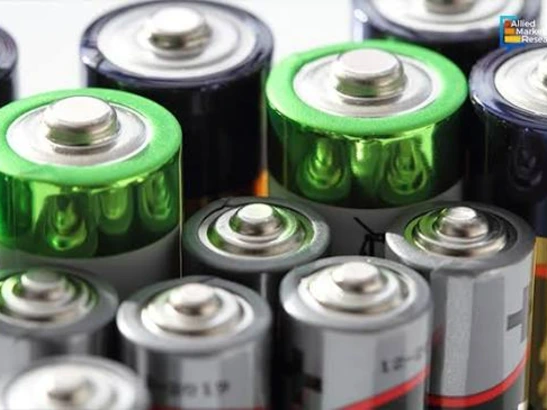
Consumer electronics batteries
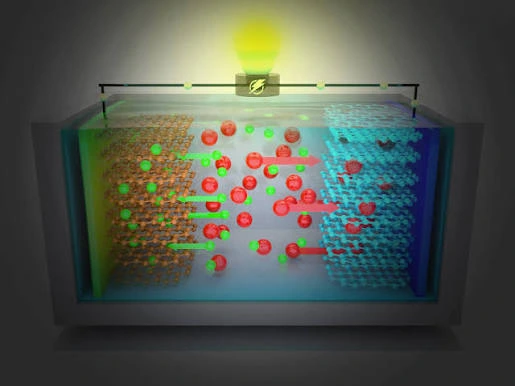
Emerging battery chemistries
Have a Process Challenge?
Tell us about your material, process and scale-up requirements in battery & energy materials
Frequently asked questions
Here are some common questions about our company.
Battery and energy materials are specialized materials used in energy-storage and electrochemical applications, including cathode materials, anode materials, graphite, lithium-ion battery materials, precursor materials, conductive materials and other advanced functional materials.
PrakriyaX supports process development and engineering for cathode and anode materials, battery precursors, graphite and carbon materials, advanced powders, critical mineral-derived materials and other energy-storage materials.
Common lithium-ion battery cathode materials include NMC (nickel manganese cobalt), NCA (nickel cobalt aluminum), LFP (lithium iron phosphate), LMFP and other emerging cathode chemistries. Each requires carefully controlled synthesis, particle characteristics, composition and thermal processing
Battery anodes can use materials such as natural graphite, synthetic graphite, silicon-based materials, hard carbon and other advanced carbon or composite materials. Processing requirements depend on the desired electrochemical and physical properties.
Battery precursor materials are intermediate materials used to produce active electrode materials. For example, precursor synthesis, co-precipitation, filtration, washing, drying and calcination can form part of the manufacturing route for certain cathode materials.
Process engineering converts material chemistry and laboratory methods into scalable, controlled and economically viable manufacturing processes, covering synthesis, precipitation, filtration, drying, calcination, milling, classification, purification and surface treatment.
PrakriyaX supports process route evaluation, laboratory and pilot-scale development, scale-up, process optimization, material and energy balances, equipment selection and process design for battery and energy materials.
Yes. PrakriyaX helps translate laboratory and pilot data into industrial processes while addressing mixing, heat transfer, reaction kinetics, precipitation behavior, filtration, drying, calcination and powder processing requirements.
Depending on the material, manufacturing may involve precursor synthesis, co-precipitation, solid-state reaction, precipitation, filtration, washing, drying, calcination, milling, classification, coating, surface treatment and material purification.
Particle size and particle-size distribution influence packing density, surface area, flowability, electrode processing and electrochemical performance. Controlled particle engineering is therefore an important part of battery material processing.
Particle engineering involves controlling characteristics such as particle size, particle-size distribution, morphology, density, surface area and agglomeration to achieve the required material and electrode performance.
Material purity can be improved through appropriate raw-material selection, controlled synthesis, impurity removal, precipitation, washing, filtration, extraction, crystallization and other purification processes depending on the material system.
Mixing directly affects reaction uniformity, heat transfer, mass transfer, reagent distribution and product consistency. Proper agitator selection and mixing design become increasingly important during scale-up.
Calcination can be used to drive solid-state reactions, phase formation, crystallinity development and removal of volatile components. Temperature profile, atmosphere, residence time and material loading can strongly influence the final material properties.
Major challenges include maintaining chemical composition, particle morphology, particle-size distribution, mixing uniformity, heat-transfer conditions, reaction control, filtration performance, drying behavior and calcination uniformity at larger scale.
Process optimization can focus on yield, purity, particle properties, energy consumption, material utilization, cycle time, throughput, process consistency and overall manufacturing cost.
Yes. PrakriyaX can evaluate existing operations to identify opportunities for debottlenecking, yield improvement, process parameter optimization, equipment improvement, energy reduction and improved product consistency.
Drying removes moisture and process liquids while helping preserve the desired powder characteristics, composition and morphology. Drying conditions must be selected according to material sensitivity and downstream processing requirements.
Filtration separates the solid precursor from the process liquor, while washing helps remove soluble impurities, residual reagents and unwanted ions. Proper filtration and washing are important for achieving the required precursor purity.
Battery-grade graphite processing may involve purification, size reduction, classification, shaping, spheroidization, coating and thermal treatment, depending on the required anode material specifications.
Battery-grade graphite requires tightly controlled purity, particle-size distribution, morphology, surface characteristics and other material properties to meet the requirements of lithium-ion battery anodes.
Yes. PrakriyaX supports process development and engineering for graphite purification, particle processing, classification, surface treatment and other steps required to develop battery-oriented graphite processing routes.
PrakriyaX can support process development for material recovery and recycling routes, including separation, purification and conversion of recovered materials into higher-value products where technically and economically appropriate.
Energy consumption can be reduced through optimized heating and cooling, improved thermal processing, efficient drying and calcination, heat integration, shorter cycle times and appropriate equipment selection.
Cost reduction opportunities can include improved yield, reduced raw-material losses, optimized reagent consumption, solvent or water recovery, lower energy consumption, higher throughput and improved equipment utilization.
Yes. Material and energy balances can be developed across individual process steps and the complete process route to support equipment sizing, utility estimation, process optimization and plant design.
Yes. Equipment selection can be evaluated based on material characteristics, production capacity, process conditions, powder handling, mixing, filtration, drying, thermal processing and scale-up requirements.
Yes. PrakriyaX can develop process concepts and engineering documentation including process flow diagrams, material balances, heat balances, equipment requirements, process parameters and utility requirements.